Lake Nakuru sits in the middle of Kenya’s safari circuit. Where to stay in Lake Nakuru: camps and lodges compared is a question too many guides still answer with outdated lists and old price sheets. The lake has changed. So has the best advice.
This guide sorts the options by location, budget, and what you will actually see on a visit. We cover the lodges inside the park, the camps outside the gate, and the honest reality of today’s lake levels.
Where to Stay in Lake Nakuru: Camps and Lodges Compared, Inside or Outside the Park?
The single biggest choice you will make is not which lodge, but which side of the fence. Staying inside the park means you wake up to wildlife sounds and can start game drives at first light. You do not pay park entry fees twice. The trade-off is that inside options are limited, and the park closes its gates at night. There are no night drives inside Lake Nakuru National Park, no matter where you sleep.
Staying outside the park, near the main gate or in the nearby Soysambu Conservancy, gives you more dining and activity options. Some conservancies allow night drives, which the national park prohibits. You will pay park fees each day you enter, and you will have a short commute to the gate every morning.
For a first-time safari planner, the inside stay wins if you want the immersion. The outside stay wins if you want flexibility, night activities, or a wider price range.
What Can You See at Lake Nakuru Today?
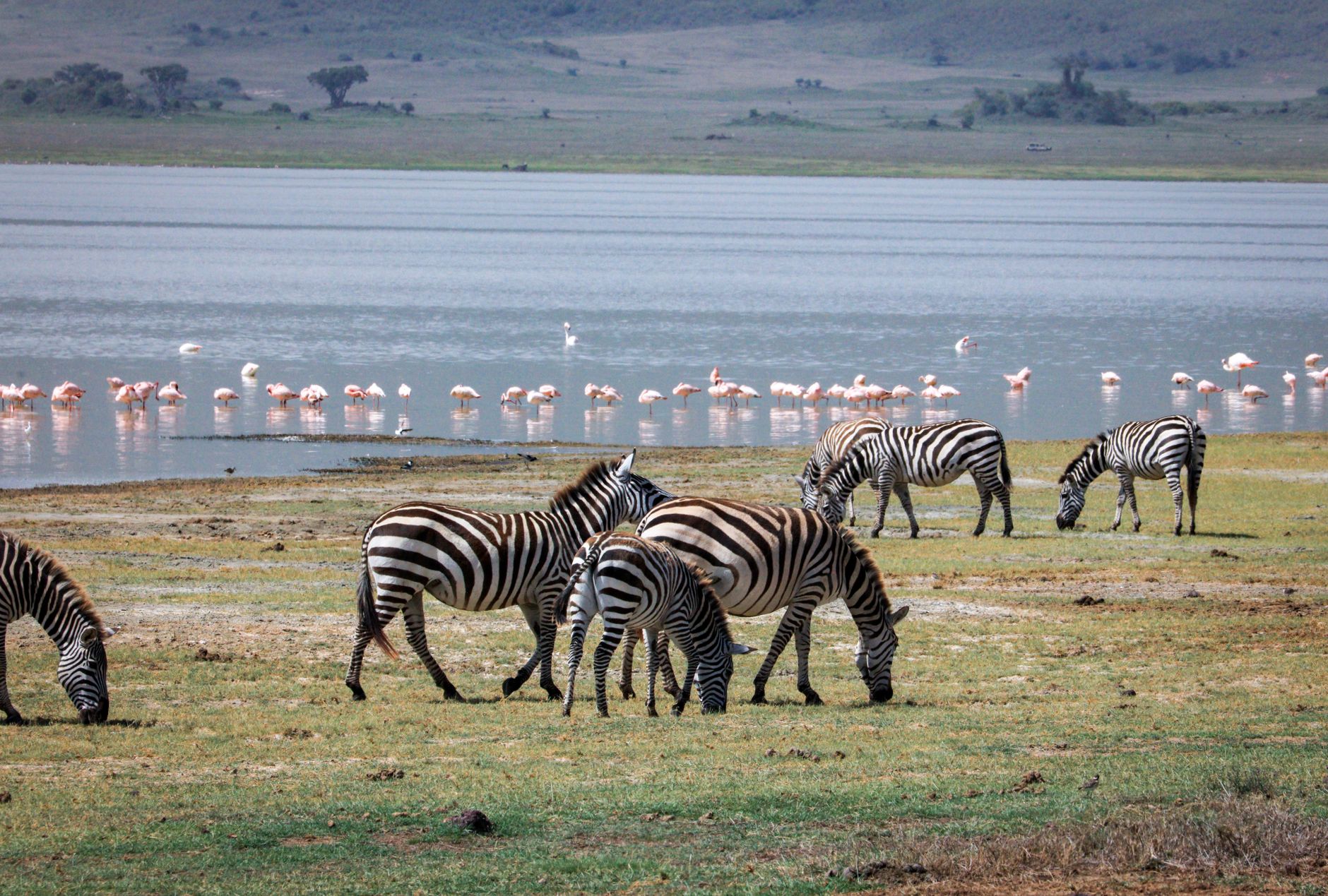
Before choosing a lodge, understand the wildlife reality. Lake Nakuru was famous for millions of flamingos. Rising lake levels since the 2010s have submerged much of the old soda flats where flamingos fed. The birds have largely moved to Lake Bogoria and Lake Elementaita nearby.
You may still see flamingos at Nakuru, but they appear in smaller numbers and not reliably. What the park does reliably offer is rhinos. Both black and white rhino live in the fenced sanctuary. You will likely see white rhino grazing in open grassland. Black rhino are shyer but present.
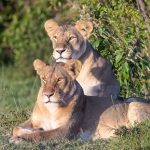
The lake’s rise has also pushed some animals inland. Lions have adapted to the new shoreline. You can still see buffalo, giraffe, zebra, and warthog in healthy numbers. The park remains worth a visit, but set your expectations for rhino and general plains game, not a pink shoreline.
This matters for your choice of lodging. A high-end lodge makes sense if you also plan long hours in the park. If you only stop for an afternoon, a simple banda or camp will do.
Which Lodges Are Inside Lake Nakuru National Park?
There are only a handful of inside options. This keeps the park quiet. Here are the main ones.
Lake Nakuru Lodge sits close to the lake on the park’s eastern side. It has stone cottages, a pool, and a view over the floodplain. The food is solid buffet style. This is the most traditional safari lodge feel inside the park. It suits families and first-timers.
Sarova Lion Hill Lodge occupies a ridge with wide views over the lake. Rooms are in stone blocks, and there is a pool and a viewing deck. The location means morning light hits the lake beautifully. The lodge runs its own game drives, but you can also self-drive if you have a car.
The Cliff is the newest and most modern inside lodge. It perches on the escarpment edge. Rooms are contemporary, and the restaurant has strong reviews. The setting is dramatic, but you drive a bit further to reach the lake and rhino areas. It suits couples who want style over tradition.
Egret Savannah Camp sits inside the park near the Bird and Rhino Sanctuary. It is the rebranded name for the former Flamingo Hill Tented Camp, so some older guides and maps still use the old name. The tents are en-suite, with private verandas and spa-adjacent amenities, a step up from a basic bush camp. This is a strong pick if you want a tented experience with real comfort, without leaving the park.
These lodges all sit within a short drive of the park’s main wildlife areas. Book early. The park only has a handful of properties, and weekend slots fill often.
What Camps and Lodges Are Outside the Park?
Outside the main gate, the options expand. You trade the dawn start for lower prices and more choices.
Mbweha Camp sits in Soysambu Conservancy, a private wildlife area adjacent to the park. This is a standout for a few reasons. The conservancy runs its own rhino sanctuary. It allows night drives, which the national park does not. Game viewing here is quieter, with fewer vehicles. The camp itself is stylish, with stone cottages, a pool, and excellent guiding. It is a short drive from the park gate, so you can do both areas in one trip.
Ziwa Bush Lodge is a newer outside option just a few minutes from the Lanet Gate. It offers self-catering cottages and a small campsite. Tents and cottages here are simple and clean, and the setting is quiet and green. It works well for budget travelers, families, or groups who want to cook their own meals.
For self-catering travelers, the Kenya Wildlife Service runs a few bandas, or simple cottages, inside the park. These book through KWS. They are basic and come with the best location possible. You must bring your own food and supplies.
How Much Does It Cost to Stay at Lake Nakuru?
Prices vary a lot by season and property. As an indicative range for two people sharing, budget self-catering options run from about 30 to 120 US dollars per night. Mid-range lodges and upscale tented camps run from about 150 to 350 US dollars. The high-end properties, Sarova Lion Hill and The Cliff, run from 300 to 500 US dollars in high season. These are per room, not per person, unless noted.
Park entry fees are separate. Non-residents pay around 90 US dollars per adult per day to enter Lake Nakuru National Park, a rate that took effect in October 2025. This fee applies each day you enter. Citizens and residents pay less, in Kenyan shillings. Check the current KWS fee schedule before you book, as these change.
You also pay a daily camping fee if you stay in a KWS campsite. That fee is separate from park entry and covers your own tent setup.
| Accommodation Type | Indicative Price per Night (Two Sharing) | Location | Night Drives Allowed |
|---|---|---|---|
| KWS Banda (self-catering) | 30 to 60 USD | Inside park | No |
| Ziwa Bush Lodge (self-catering) | 60 to 120 USD | Outside, near Lanet Gate | No |
| Mid-range Lodge (e.g. Lake Nakuru Lodge) | 150 to 300 USD | Inside park | No |
| Egret Savannah Camp (formerly Flamingo Hill) | 180 to 350 USD | Inside park | No |
| Conservancy Camp (e.g. Mbweha Camp) | 250 to 450 USD | Soysambu Conservancy | Yes |
| Luxury Lodge (e.g. Sarova, The Cliff) | 300 to 500 USD | Inside park | No |
Prices are indicative for high season. Low season can drop by 20 to 40 percent.
Which Gate Should You Choose for Your Lodge?
Lake Nakuru has three main gates. Which one you use depends on where you stay.
The Main Gate sits on the lake’s northwestern shore, about 4 km from Nakuru town. It leads to Lake Nakuru Lodge, Sarova Lion Hill, The Cliff, and Egret Savannah Camp near the Bird and Rhino Sanctuary. This is the busiest gate and the one most safari vehicles use.
The Lanet Gate sits on the north side of the park. It is the closest entry for Ziwa Bush Lodge, just outside the boundary. If you stay outside near Lanet, you can reach the park quickly in the morning.
The Nderit Gate is on the southeast. It serves Mbweha Camp and the Soysambu side. If you stay at Mbweha, you enter through Nderit and drive to the park’s southern sections, which hold the rhino sanctuary. This is a good route if you want to start with rhino viewing.
Ask your lodge which gate to use. They know the current road conditions. The park’s internal roads flood in the wet season, so some routes close.
How Many Days Do You Need at Lake Nakuru?
Most travelers need one to two days. A single full day allows a morning drive, a picnic, and an afternoon drive. That is enough to see rhino, buffalo, and the lake viewpoints.
A second day helps if you also want to visit Soysambu Conservancy or take a night drive from Mbweha. You can read our full breakdown of how many days you actually need at Lake Nakuru to plan this properly.
If you are already coming from Nairobi, you can drive to the park in about three hours. Many visitors pair Nakuru with a longer Masai Mara leg. See our guide on combining Nakuru with a Masai Mara leg for route suggestions.
Is Lake Nakuru Worth Visiting With the Rising Lake Levels?
Yes, with adjusted expectations. The rhino sanctuary alone justifies a visit. The park has one of Kenya’s highest densities of white rhino. The lake itself is still dramatic, even without a pink coating of flamingos.
The flood story has a silver lining. The submerged trees and flooded acacia groves have created new habitats. Look for hippo in the shallows and fish eagles along the new shoreline. Birders will still see hundreds of species, even if the flamingo flocks are thin.
Start early in the morning. The rhinos are most active at dawn. The mid-day heat sends them to shade. A good lodge, whether inside or out, will pack you a breakfast box for an early start.
What Is the Best Time of Year to Visit Lake Nakuru?
The park is open year-round. The dry season, from June to October, offers the easiest game viewing because animals gather at the remaining water points. The wet season, from November to May, brings green landscapes and better bird life. Roads get muddy, but the scenery is lush.
If your main goal is flamingos, you should head to Lake Bogoria, not Nakuru. Flamingos cluster there in larger numbers. You can visit Bogoria on a day trip from Nakuru town. Your lodge can arrange a driver.
For rhino, the dry season is better because the open grassland makes them easier to spot.
Should You Stay at a Luxury Lodge or a Conservancy Camp?
This comes down to what you value. Luxury lodges inside the park offer convenience and tradition. You roll out of bed and start driving. The views from Sarova Lion Hill and The Cliff are genuinely special.
A conservancy camp like Mbweha offers a different experience. You get exclusive tracks, the chance of night drives, and a quieter pace. The rooms are still high quality, but the experience feels more like a private reserve than a national park.
If you have two nights, consider splitting them. One night inside the park for the classic safari morning, and one night at a conservancy camp for a night drive and a different perspective. This is a common and effective strategy.
What Should You Pack for a Lake Nakuru Stay?
The park sits at an altitude above 1,700 meters. Mornings are cool, especially in the dry season. Evenings can be cold. Pack layers, a warm jacket for dawn game drives, and sun protection for midday.
For lodge selection, confirm whether your room has heating. Budget tents and bandas can get cold. Ask for extra blankets. Our Kenya safari packing list has a full rundown of what to bring.
How Do Lake Nakuru Prices Compare With Other Parks?
Lake Nakuru sits mid-range compared to other Kenyan parks. Entry fees are lower than the Masai Mara but higher than some northern parks. Accommodation is often cheaper than Mara or Samburu because the park is closer to Nairobi and less remote.
For a cost comparison, read how safari costs stack up elsewhere in Kenya. You can use that data to decide if Nakuru fits your overall budget.
What Is the Best Way to Book Your Lake Nakuru Stay?
Book through a safari operator or directly with the lodge. Direct booking can work, but operators often have negotiated rates. They also handle park fees and logistics as a package.
When you compare options, check three things. First, whether the price includes park entry. Second, whether meals are included. Third, what time the morning game drive departs. A lodge that starts at 6 am is worth more than one that waits until 8 am.
Also check the cancellation policy. Lake levels and weather can change plans. Pick a lodge with a flexible policy.
Ready to Compare Safari Operators?
Want more options beyond this guide? To compare operators and browse packages for Lake Nakuru, visit FindMySafari, Valley Safaris, or Trunktrails Safaris. Each site lists vetted operators with current pricing. Compare the options, read recent traveler reviews, and choose the package that fits your style and budget. Or plan your Lake Nakuru stay directly with TouringInsights at touringinsights.com.